How to Live Well with Chronic Pain: Practical Advice for Managing Symptoms and Preserving Quality of Life
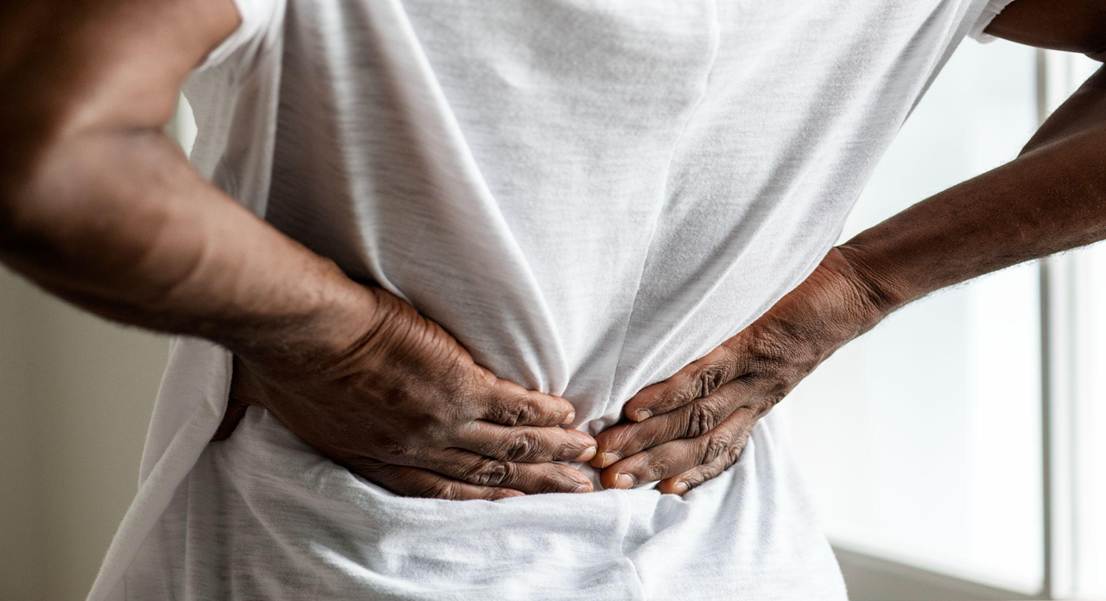
Photo by Freepik
Article by Scott Sanders
Being newly diagnosed with a chronic pain condition can feel overwhelming. The road ahead may look uncertain, but you are not powerless — far from it. By learning how to balance physical care, mental resilience, and social connection, you can build a life that feels full and rewarding despite ongoing pain.
Key Considerations
Chronic pain management involves three main areas: understanding your condition, building supportive daily habits, and creating a proactive care plan. Combining medical treatment with self-care strategies, including physical movement, mindfulness, and good nutrition, helps you maintain control and improve quality of life.
Understanding Chronic Pain
Chronic pain is more than just physical discomfort; it affects sleep, emotions, relationships, and even cognition. It often requires a combination of both medical and lifestyle approaches for meaningful relief.
|
Factor
|
Description
|
Practical Example
|
|
Physical
|
Ongoing discomfort or inflammation
|
Using heat or cold therapy for flare-ups
|
|
Emotional
|
Anxiety, frustration, or depression
|
Cognitive Behavioral Therapy (CBT) or journaling
|
|
Behavioral
|
Habits that worsen or relieve pain
|
Stretching before sitting long hours
|
|
Environmental
|
Daily surroundings or stress triggers
|
Ergonomic work setup, clutter reduction
|
How to Manage Symptoms Step-by-Step
- Partner with your healthcare provider.
Develop a pain management plan together that includes medications, therapy, and non-medical interventions.
- Stay physically active.
Low-impact activities like swimming or yoga can maintain strength and flexibility. The Arthritis Foundation offers helpful programs.
- Track your pain patterns.
Use a journal or an app like PainScale to identify triggers and trends.
- Practice relaxation techniques.
Mindfulness and deep breathing reduce stress-induced pain. Check out Headspace for guided meditations.
- Seek supportive therapies.
Physical therapy, massage, or acupuncture may improve comfort when integrated into your plan.
Building a Sustainable Routine
Your body thrives on consistency. Here’s how to create a pain-friendly rhythm:
? Morning stretch: Gentle mobility exercises before leaving bed.
? Midday breaks: Avoid sitting too long; stand or walk every hour.
? Hydration habit: Aim for 6–8 glasses of water daily.
? Evening calm: Practice gratitude or light stretching before sleep.
To further enhance your comfort and energy, consider making choices that support your well-being, such as eating balanced meals, staying active through regular exercise, and staying hydrated. Small shifts in daily habits can significantly reduce inflammation and improve resilience.
Pain Management Checklist
? Consult your doctor regularly
? Maintain an updated list of medications
? Use assistive tools (braces, ergonomic chairs, etc.)
? Schedule rest periods during the day
? Keep a positive routine for mental health
? Stay connected with support groups
? Communicate your needs clearly with loved ones
Lifestyle & Comfort Aids
When living with chronic pain, holistic care often yields the best results. Visiting Sense of Balance for Therapeutic Medical Massage Therapy can be rejuvenating. Their experienced therapists personalize each session to ease muscle tension, boost circulation, and restore relaxation — a key complement to other forms of care.
Other supportive resources to explore:
? National Institute of Neurological Disorders and Stroke for condition-specific education
? Mayo Clinic Pain Management for multidisciplinary care approaches
? American Chronic Pain Association for community and coping strategies
? Psychology Today’s Therapist Finder for mental health professionals
? WebMD’s Chronic Pain Guide for practical symptom tracking and treatment insights
FAQs
Q: Is chronic pain all in my head?
No. Pain involves physical, neurological, and emotional components — all very real and measurable.
Q: Can exercise make pain worse?
The right kind of activity helps most people. Always consult your healthcare provider before starting.
Q: How can I sleep better with chronic pain?
Try maintaining a regular bedtime, using supportive pillows, and practicing relaxation before bed.
Q: What should I tell friends and family?
Be open about your condition. Explain that support, patience, and understanding help you cope better.
Glossary
? Chronic Pain: Pain lasting longer than three months, often persisting after healing.
? Flare-up: Temporary increase in pain intensity.
? Mindfulness: Focused awareness of the present moment, often used for stress relief.
? Ergonomic: Designed to reduce physical strain and discomfort.
? Trigger: An activity, emotion, or situation that worsens symptoms.
Conclusion
Chronic pain changes life, but it doesn’t define it. With awareness, structure, and persistence, you can reduce its grip and reclaim joy in everyday living. Remember, progress comes through patience and consistency. The goal isn’t perfection — it’s peace, balance, and participation in life on your own terms.